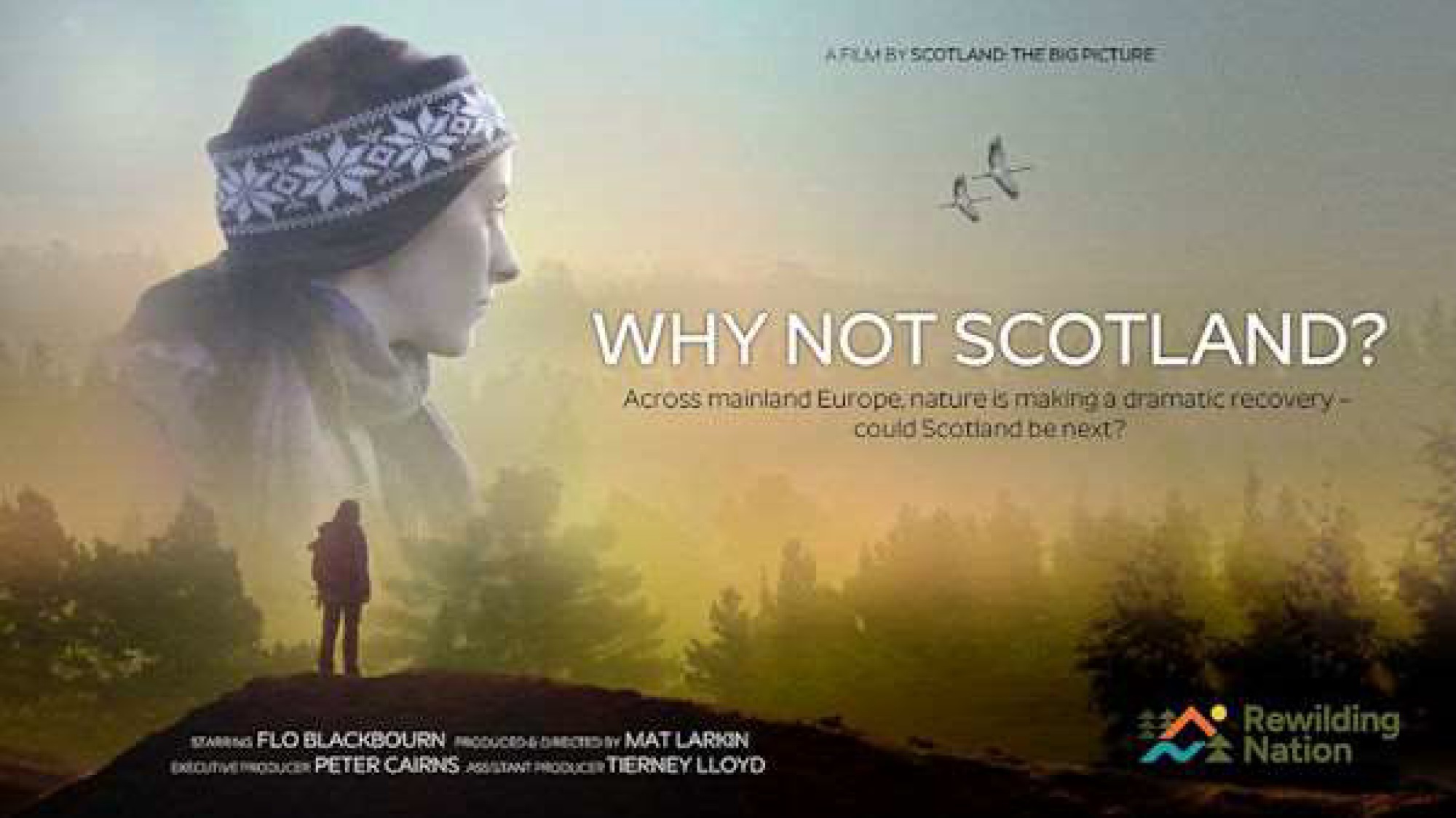
Castlemorton Environmental Group invite you to see the hour-long film “Why not Scotland?” followed by a talk by Dr Beverley Adams- Groom
The film ‘Why Not Scotland?’ poses the question: If nature is recovering across Europe, can Scotland undergo a similar revival? Dr Adams-Groom will discuss the concept of rewilding, picking up points raised by the film and talking of her own experiences of visiting a range of projects in Scotland, England and Europe.
Castlemorton Parish Hall Thursday 14th November at 7:30pm
Entry £2:50 with tea or coffee and biscuits provided. This event is sponsored by Castlemorton Parish Council
Art to Imagine a Better Future Project is holding a Imagination Workshop. Wednesday 23rd October, 7pm-9pm. Tea and coffee provided. Friends Meeting House, Orchard Road, WR14 3DA. See here for more details.
The Big Solar Co-op is a not-for-profit, carbon-first and volunteer-led organisation.
They are solarising commercial and community buildings all over the UK from doctors surgeries to factories and everything in between.
If you’ve got a big roof and a big energy bill then they can design, build and own solar on your roof – no capital cost, super energy and carbon savings.
If you want to see more solar in your area and have some time to volunteer they can train and support you to make it happen.
If you have some cash to invest, they run community share offers.
For a long time, the 4Rs: Refuse, Reduce, Reuse, and Recycle have been used to get us to “go green”.
But there are at least 7Rs:
Refuse, Reduce, Reuse, Repair, Repurpose, Rot and Recycle.
Refuse:
Just say No. The best way to reduce the environmental impact of an object is not to create it in the first place. If we do not buy it then they will not produce it.
Reduce:
Buy only want you need. If you are not going to use it do not get it.
Reuse:
Were possible always get stuff that can be reused and reuse it.
Repair:
It an item is repaired then we do not need to get a new one and with do not have to dispose of it. A win win. The repair café movement is important.
Repurpose:
If we no longer need an item for its original purpose that can it be used in some other way and given a new lease of life. The in phrase for this is upcycle but that does not start with an R.
Rot:
When an item gets to the end of its life. If it is properly biodegradable, then we can give it to nature to recycle it. The emphasis is on properly biodegradable. See my earlier article “Is plastic ever really biodegradable?”.
There are two good ways to rot things, first as compost and the other is via biodigesters. Biodigesters have the advantage they produce carbon neutral energy. So if you have the choice, it’s probably better to send to a biodigester.
A not so good way to use Rot as a way of disposal is just to give it to nature to let it handle your waste. If this is just throwing an apple core away during a walk this is probably OK. But normally this is littering. But if the item littered is properly biodegradable then is will be less of problem as nature will eventually take care of it.
If you have the choice should you rot or recycle? This choice only applies, I think, to paper and cardboard. If it is good quality, then I think it will best recycled. But, if poor quality or contaminated with food then rot.
Recycle:
The last on the list
Recycling is not a magic bullet
Many people think if they recycle then they have done their bit for saving the planet. But doing some recycling will not on its own stop the climate crisis. The climate crisis is caused by us putting green houses gases into the atmosphere. In general recycling does reduce the carbon footprint but not by much. There are many things you can do that will reduce your carbon footprint more than by recycling. But you should do them all. See my Climate Breakdown what I can do slides.
Recyclable is a word I hate. Making packaging recyclable will not solve the blue planet problem. The blue planet problem is a problem of littering. If all the plastic now in the oceans had been put in land fill or incinerated, it would not be in the oceans.
Greelink are closing their plastic free shop GL2 in Cowleigh Road. But most of the offerings have been moved to the main GreenLink in Graham Road. Call in to see what they now offer. Click here for a map.